




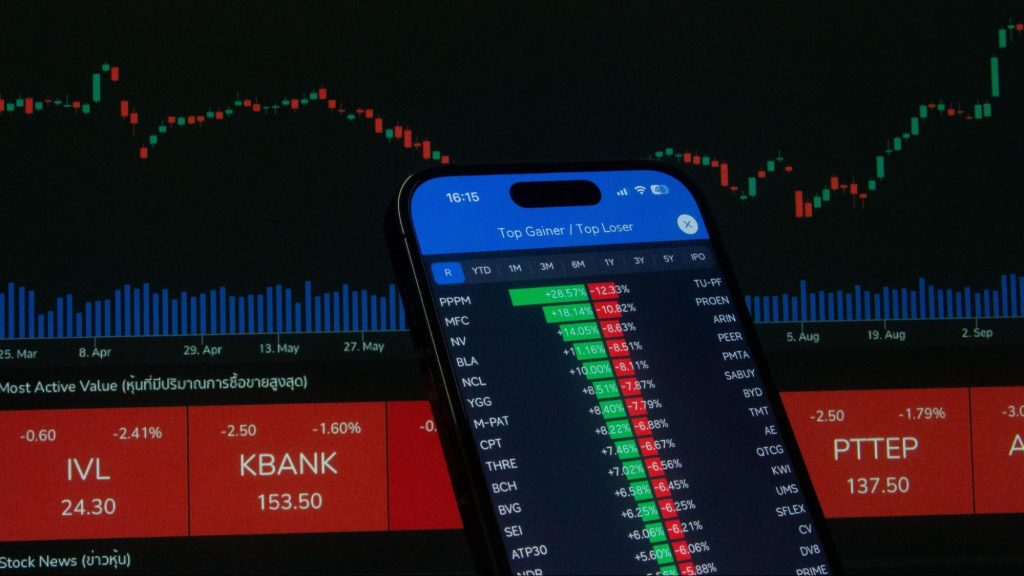
Every time you use an iPhone, stream on Netflix or shop on Amazon, you are interacting with companies that Malaysian investors can now own a slice of, from their phones, in ringgit, before lunch. The idea that Wall Street was built for someone else, someone with a US bank account, a stockbroker in a suit and a six-figure starting capital, is one of the most expensive myths a Malaysian investor can still believe in 2026.
Through Phillip Capital NOVA platform, anyone aged 18 and above can buy into the world’s largest equity market with as little as a few hundred ringgit, in the same companies that dominate global technology, healthcare and consumer spending, while the rest of Malaysia sleeps.
Before You Start: Key Facts on US Stock Investing
- Malaysians can legally invest in US stocks through Securities Commission Malaysia-licensed brokers without needing a US bank account or tax identification number.
- Four main access methods exist: direct custodian accounts for actual share ownership, US-focused ETFs for diversification, CFDs for leveraged exposure and margin financing to amplify purchasing power up to double your capital.
- Currency conversion from MYR to USD adds a layer of foreign exchange risk that compounds market volatility, requiring deliberate strategy around conversion timing and position sizing.
- US withholding tax applies to dividends paid to non-resident investors, with brokers typically handling the deduction so you receive net payments directly into your account.
- Starting capital requirements vary dramatically, from under RM5 for fractional shares on new-generation platforms to several thousand ringgit minimum trade sizes with traditional custodian services.
Introduction
For most Malaysians, investing in US stocks once felt like something reserved for people with offshore accounts, foreign brokers and capital they could afford to lose. That perception has shifted significantly over the past few years. Regulatory clarity, digital trading platforms and lower entry points have made American equities genuinely accessible to everyday Malaysian investors, not just the wealthy or the well-connected.
Whether you are looking to diversify beyond Bursa Malaysia, hedge against ringgit depreciation or simply own a piece of the companies shaping global technology and trade, US stocks are now a realistic addition to a Malaysian portfolio. This article walks you through everything you need to know, from how to open an account and convert ringgit to what to expect on taxes, foreign exchange risk and building a strategy that fits your life stage.
US Stock Investing in Malaysia: Key Statistics
- The US stock market accounts for approximately 60% of global equity market capitalisation, dwarfing all other national markets in size and daily trading volume.
- Malaysian brokers operating international trading desks can provide access to US, Hong Kong, China, Singapore and Australian markets through a single custodian account, according to industry platform comparisons.
- Traditional bank brokerage services in Malaysia charge US$24 to US$25 minimum commissions or approximately 0.28% to 0.40% per US stock trade, as noted in platform fee surveys.
- With margin financing facilities, a Malaysian investor depositing RM10,000 can control up to RM20,000 worth of US stock exposure by borrowing the remaining RM10,000 from the broker, effectively doubling both potential returns and potential losses.
- New digital investment platforms allow Malaysians to begin with as little as USD 1 (under RM5) per trade using fractional share purchases, with some offering zero commission and no minimum deposit during promotional periods.
- Phillip Capital notes that Malaysian investors can open accounts and start trading US stocks at age 18 with only a valid Malaysian identity card and proof of local bank account ownership.
Why Malaysian Investors Turn to US Markets

US stocks offer three distinct advantages for local individuals looking to diversify their portfolios internationally.
Liquidity and Market Depth
The US market is the largest and most actively traded equity market in the world. Orders are filled quickly, exits are clean and prices behave predictably. For Malaysian investors used to thinner local volumes, that consistency is a meaningful difference.
A Natural Hedge Against Ringgit Depreciation
Every US stock you hold is denominated in US dollars. When the ringgit weakens, your holdings appreciate in local currency terms even if the share price stays flat. For anyone planning overseas education, long-term migration or simply looking to protect savings from currency erosion, a USD portfolio does work that ringgit-only investments cannot.
Four Ways Malaysians Access US Stocks
Malaysian investors choose from four distinct methods to gain exposure to American equities, each with different cost structures, ownership rights and risk profiles.
Direct Custodian Accounts
These let you own actual US shares held in your name or under your beneficial ownership. You receive dividends, can vote on shareholder resolutions and enjoy full legal ownership protection, making this the preferred method for long-term investors who want genuine equity stakes in American companies.
US-Focused Exchange-Traded Funds (ETFs)
ETFs bundle hundreds of US stocks into a single tradeable unit, often tracking indices like the S&P 500 or Nasdaq 100. Malaysians can buy these on US exchanges through international trading accounts or on Bursa Malaysia where a handful of US equity ETFs are listed, offering instant diversification without researching individual companies.
Contracts for Difference (CFDs)
CFDs on US shares provide leveraged exposure without owning the underlying stock. Traders can go long or short on price movements, but they pay overnight financing charges, face margin call risks and do not receive dividends or voting rights.
Margin Financing
This allows you to borrow from your broker to amplify your US stock purchases. With typical loan-to-value ratios of 50%, a RM10,000 deposit can control RM20,000 of US equities, magnifying both gains and losses while incurring interest charges on the borrowed portion.
Comparing Your US Stock Access Options
| Method | Ownership | Leverage Available | Dividend Rights | Best For |
|---|---|---|---|---|
| Direct Custodian Account | Full legal ownership | None (cash only) | Yes, received as cash | Long-term investors, buy-and-hold strategies |
| US ETFs | Units of fund (underlying stocks owned by fund) | None (cash only) | Yes, fund distributes dividends | Diversification, passive index tracking, beginners |
| US Stock CFDs | Contract only, no share ownership | High (typically 5:1 to 10:1) | Adjustment credit, not actual dividends | Short-term traders, those seeking leverage or short-selling |
| Margin Financing | Full ownership (shares pledged as collateral) | Moderate (typically 2:1) | Yes, but interest charged on loan | Experienced investors wanting amplified returns |
Opening Your NOVA Account: Step-by-Step
Getting started with US stocks through NOVA follows a structured onboarding process designed to meet Securities Commission Malaysia requirements while keeping friction low for retail investors.
- Visit the Phillip Capital Online Account Opening website to open a NOVA trading platform, then select the international trading account option to access US markets.
- Complete the digital know-your-customer (KYC) process by uploading a clear photo of your Malaysian identity card and a recent bank statement as proof of address.
- Declare your investment experience, risk tolerance and financial background through a suitability questionnaire that helps the broker assess appropriate product access levels.
- Sign the relevant account agreements electronically, including custodian terms and, if applicable, margin or CFD facility agreements for leveraged trading.
- Fund your account by transferring ringgit from your Malaysian bank via online banking, with most platforms supporting instant or same-day crediting during banking hours.
- Navigate to the US stock market section, search for your desired ticker symbol, review real-time quotes and place your first order using market or limit order types.
Understanding Currency Conversion and Foreign Exchange Risk

Every ringgit invested in US stocks must first be converted to US dollars, adding a layer of currency risk alongside equity market risk.
When the ringgit weakens against the dollar, your US holdings appreciate in MYR terms even if the share price stays flat. The reverse is also true – a strengthening ringgit erodes your returns when converting proceeds back.
Tax and Dividend Treatment for Malaysian US Stock Investors
US companies withhold tax on dividends paid to foreign investors at 30% under US tax law. As Malaysia has no tax treaty with the United States, Malaysian retail investors generally receive 70% of any gross dividend declared.
Your broker handles this automatically. You do not need to file a US tax return, though completing a W-8BEN form when opening your account confirms your non-US status and prevents additional backup withholding.
On the Malaysian side, dividends from foreign sources are generally not subject to local income tax under current regulations. Capital gains on US stocks are similarly not taxed for individual investors, making US equities a relatively tax-efficient option for Malaysian residents.
What Most Malaysian Investors Get Wrong About US Stocks
Many Malaysians assume they need a US bank account or large starting capital to invest in American stocks. Neither is true. Every major Malaysian broker handles funding, foreign exchange and custody within the local banking system under Securities Commission Malaysia regulation, and fractional share platforms now allow purchases for under USD 1.
Some investors also conflate CFDs with actual share ownership. CFDs are derivative bets on price movements that carry overnight financing costs and margin call risks. Over-leveraging through CFDs ranks among the most common mistakes Malaysian investors make when accessing US markets, often resulting in forced liquidations during volatile periods.
Finally, many focus solely on stock price movements while underestimating foreign exchange risk. A 5% USD/MYR swing can materially impact total returns in either direction, and it deserves as much attention as the stocks themselves.
Building a US Stock Portfolio Around Your Malaysian Life Stage

Your optimal approach to US stocks depends on where you sit in your financial journey, from early-career accumulation to pre-retirement preservation.
- Fresh Graduates and Young Professionals: Benefit from high equity exposure and long time horizons that can absorb short-term volatility. Allocating 20% to 30% of investable assets to a diversified US index ETF or a handful of large-cap US technology and consumer stocks provides global growth diversification alongside Malaysian EPF contributions and local equity holdings.
- Mid-Career Professionals with Established Emergency Funds: Can take a core-satellite approach, with a stable core of Malaysian blue chips and fixed income, and a satellite allocation of 30% to 40% in US equities split between dividend-paying stalwarts and growth-oriented sectors underrepresented on Bursa Malaysia, such as cloud computing and biotechnology.
- Business Owners and High-Net-Worth Individuals: Often seek to diversify concentrated local property and business holdings by moving a portion into liquid, USD-denominated equities. US stocks offer both currency hedging and exit liquidity that Malaysian private business stakes and illiquid property cannot match, with 40% to 50% offshore allocation not uncommon among sophisticated investors.
- Near-Retirees and Retirees: Should dial down equity risk but can still hold 20% to 30% in US dividend aristocrats and stable multinational corporations, balancing income generation with some inflation protection. Avoiding leverage and CFDs becomes critical at this stage, as recovery time from drawdowns shortens with age.
Regulatory Safeguards: Why Choosing a Malaysian-Licensed Broker Matters
Investing through a Securities Commission Malaysia-regulated broker like Phillip Capital provides legal protections that offshore platforms cannot guarantee. Licensed brokers must segregate client assets from company assets, meaning your shares and cash remain your property even if the broker faces financial difficulties. They also operate under Capital Markets Services Act requirements, including regular audits, minimum capital adequacy standards and dispute resolution mechanisms through the Securities Industry Dispute Resolution Centre.
In contrast, some offshore brokers operate under less stringent jurisdictions. Malaysians using them may face difficulties repatriating funds, limited recourse in disputes and potential complications during estate planning or inheritance, all of which a locally regulated custodian structure eliminates.
Choosing a local broker also simplifies tax reporting. The platform issues consolidated statements in ringgit, handles US withholding tax automatically and integrates with Malaysian banking infrastructure for seamless funding and withdrawals.
Your Pre-Investment Checklist for US Stocks
- Confirm you have at least three to six months of emergency expenses in liquid ringgit savings before committing capital to foreign equities.
- Verify the broker holds a Capital Markets Services Licence from the Securities Commission Malaysia and offers custodian account structures that segregate client assets.
- Calculate total transaction costs, including brokerage commissions, foreign exchange spreads and any platform or custody fees, to understand your break-even holding period.
- Decide whether you want actual share ownership through a custodian account or leveraged exposure via CFDs or margin, understanding the liquidity and risk differences.
- Review the US withholding tax treatment and confirm your broker will handle W-8BEN certification to avoid higher backup withholding rates.
- Set a clear initial allocation percentage, such as 20% to 30% of your total investable portfolio, to avoid overconcentration in a single currency or market.
- Choose a disciplined entry strategy, such as lump-sum investment for immediate exposure or monthly dollar-cost averaging to smooth volatility and FX risk.
- Establish stop-loss or position-sizing rules if using leverage, ensuring a single adverse move cannot jeopardise your broader financial plan.
Cost Breakdown: What You Actually Pay
Understanding the full cost structure prevents surprises and helps you compare platforms objectively.
Brokerage Commissions
Phillip Capital is offering a brokerage rate of 0.02% or a minimum of USD 3.99 for US stock trading (cash upfront account).
US fractional shares brokerage rate is as low as USD 0.99 per trade. This structure offers an entry point for retail investors who want to scale into global equities progressively without heavy upfront capital demands.
Custody or Platform Fees
Phillip Capital does not charge any custodian or platform fees. This transparent pricing allows long-term investors to buy and hold international assets without worrying about hidden administrative drag or recurring annual maintenance overheads eating into their portfolio returns.
Final Thoughts
US stocks have moved from being an exclusive domain of institutional investors to an accessible asset class for everyday Malaysians, thanks to regulatory clarity, digital platforms and fractional share innovation.
Whether you start with RM500 or RM50,000, the key is using a Securities Commission-regulated custodian account, understanding foreign exchange and tax mechanics, and aligning your US equity allocation with your life stage and risk tolerance.
Phillip Capital NOVA platform bridges the gap between Wall Street and your fingertips, offering Malaysians a regulated, ringgit-friendly gateway to the world’s deepest equity market. Ready to diversify globally and build a USD-denominated investment portfolio? Explore how NOVA can support your US stock investing journey.