



Misconceptions are floating around CFD trading. Many Malaysian investors who are exploring global markets eventually ask the same question: Is CFD trading legal in Malaysia?
The short answer is yes.
CFD trading is legal in Malaysia when it is offered by a broker that is properly licensed and regulated by the Securities Commission Malaysia.
However, the legality depends on where and how you trade. This guide explains what CFD trading is, how it is regulated in Malaysia, and what investors should look out for before opening an account.
Key Takeaways
- CFD trading is legal in Malaysia when conducted through brokers licensed and regulated by the Securities Commission Malaysia.
- The legality of CFDs depends on the regulatory status of the broker, not the instrument itself.
- Traders must understand leverage, margin, and volatility before participating, as disciplined risk management is essential.
- Verifying a broker’s Capital Markets Services Licence helps reduce regulatory and counterparty risk.
- Phillip Capital offers regulated CFD trading and is consolidating futures, US CFDs, and Malaysian CFDs onto the NOVA platform.
- A free demo account allows investors to understand platform mechanics and margin behaviour before trading live.
What Is CFD Trading?
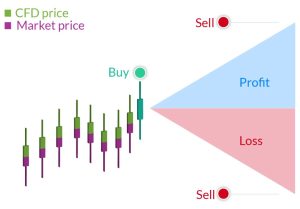
CFD stands for Contract for Difference. It is a type of derivative that allows traders to speculate on the price movement of an underlying asset without owning it.
When trading CFDs, you do not purchase the actual share, index, commodity, or currency. Instead, you enter into a contract with a broker to exchange the difference in price between the opening and closing of the trade.
CFDs can provide exposure to:
- Shares
- Stock indices
- Commodities
- Other financial instruments
Because CFDs are traded on margin, they allow traders to control a larger position with a smaller initial deposit. This feature increases flexibility but also increases risk.
Yes, CFD Trading Is Legal in Malaysia
CFD trading is legal in Malaysia when it is conducted through brokers that hold the appropriate licence from the Securities Commission Malaysia.
In Malaysia, brokers offering CFDs must typically hold a Capital Markets Services Licence (CMSL). This licence ensures that the broker complies with regulatory standards related to:
- Capital adequacy requirements
- Risk management procedures
- Segregation of client funds
- Disclosure and reporting obligations
- Client suitability assessments
These regulatory safeguards are designed to protect investors and maintain market integrity. The key point is not whether CFDs are legal, but whether the broker offering them is properly regulated in Malaysia.
Why Do Some People Think CFD Trading Is Illegal?

Despite being legal, CFD trading sometimes carries a negative perception that stems from confusion between regulated and unregulated platforms.
Common reasons for misunderstanding include:
-
Offshore Brokers Targeting Malaysians
Some international platforms market their services to Malaysian residents without holding a local licence.
If a broker is not regulated in Malaysia, investor protections may not apply.
-
Past Online Trading Scams
Fraudulent investment schemes have been mistakenly associated with legitimate CFD trading.
In reality, scams are illegal, not the CFD instrument itself.
-
Leverage Misconceptions
Because CFDs are leveraged products, some investors associate them with excessive risk or speculation.
While leverage increases exposure, it does not make the instrument illegal. It simply requires responsible risk management.
Understanding the difference between a regulated CFD provider and an unlicensed platform is essential.
Investing, by nature, is always a balance between risk and reward. Whether you are trading shares, futures, ETFs, or CFDs, market exposure involves uncertainty. Price movements are never guaranteed, and capital is always at risk. What separates investing from gambling is not the presence of risk, but the presence of structure, research, and disciplined decision-making.
CFD trading, like any leveraged instrument, requires preparation. Traders are expected to understand how margin works, how losses can exceed initial deposits if risk is unmanaged, and how volatility can impact positions quickly. This level of homework is not optional. It is a necessary part of responsible participation in financial markets.
Due diligence also extends beyond strategy. Investors must verify the regulatory standing of the broker they choose. Trading with a licensed and regulated provider ensures that client funds are handled properly, disclosures are transparent, and regulatory safeguards are in place. Skipping this step exposes investors not only to market risk, but also to unnecessary counterparty and operational risks.
Approaching CFD trading methodically, with proper research and verified broker credentials, ensures that participation remains within a structured investment framework rather than drifting into uninformed speculation.
How to Check If a CFD Broker Is Legal in Malaysia

Before trading CFDs, investors should verify the broker’s regulatory status.
Here are practical steps:
- Check the Securities Commission Malaysia website to confirm the broker holds a valid Capital Markets Services Licence.
- Review the broker’s regulatory disclosures, which should be clearly stated on its website.
- Confirm local presence and contact details, including registered office information.
- Be cautious of platforms regulated only overseas but actively soliciting Malaysian clients.
Taking a few minutes to verify licensing can significantly reduce regulatory and counterparty risk.
What Are the Risks of CFD Trading?
While CFD trading is legal in Malaysia, it is not suitable for every investor. It is important to understand the risks before participating.
Key considerations include:
- Leverage amplifies both gains and losses.
- When trading on margin, you only deposit a fraction of the total trade value.
- This means a small market move can result in a proportionally larger gain or loss.
- For example, a 2 percent market move against your position can translate into a much larger percentage impact on your deposited capital.
- Market volatility can lead to rapid price movements.
- Indices and shares can react quickly to economic data, earnings releases, or geopolitical events.
- Sudden swings may trigger stop losses or force position adjustments faster than expected.
- Margin calls may occur if account equity falls below required levels.
- If losses reduce your available margin below maintenance requirements, you may be required to top up funds.
- If additional funds are not added promptly, positions may be closed automatically to limit further losses.
- CFDs are generally more suited to active traders than passive investors.
- Because they are leveraged and sensitive to short-term price movements, CFDs typically require monitoring and active management.
- They are not designed as long-term buy-and-hold instruments in the same way as traditional share investments.
Responsible CFD trading requires discipline, risk controls, and a clear strategy. This includes defining position sizes, setting stop-loss levels, understanding margin exposure, and only trading capital you can afford to risk.
The presence of risk does not make CFD trading inappropriate, but it does demand preparation and informed decision-making. Investors who approach CFDs methodically, with a clear understanding of how leverage and margin operate, are better positioned to manage exposure within a regulated framework rather than taking unnecessary risks.
Trading CFDs with a Regulated Broker like Phillip Capital in Malaysia
For investors who choose to trade CFDs, working with a regulated broker is essential.
Phillip Capital is regulated by the Securities Commission Malaysia and operates under the required licensing framework. This ensures that CFD trading is conducted within Malaysia’s regulatory standards, with proper client fund handling, disclosure requirements, and compliance oversight.
Beyond regulatory safeguards, investors should also consider:
- Platform reliability
Stable execution and system resilience are especially important for leveraged products like CFDs.
- Risk management tools
Features such as margin monitoring, stop-loss functionality, and real-time pricing help traders manage exposure effectively.
- Transparent fee structures
Clear disclosure of spreads, commissions, and financing charges supports informed decision-making.
- Access to educational resources
Understanding how leverage, margin, and market volatility work is critical before trading live.
| 🚨 Important Update to NOVA 🚨
Phillip Capital is currently enhancing our trading infrastructure with the NOVA platform. At present, NOVA supports futures as well as US CFDs and Malaysian CFDs, consolidating trading access into a single, more integrated environment that improves your overall trading experience. |
A regulated environment combined with a stable and evolving platform structure provides the accountability and technical support that unlicensed or fragmented platforms cannot offer.
Final Thoughts
CFD trading is legal in Malaysia when offered by brokers licensed and regulated by the Securities Commission Malaysia. The instrument itself is not illegal. The legality depends on the regulatory status of the provider.
For Malaysian investors, the priority should be:
- Understanding how CFDs work
- Recognising the risks involved
- Verifying broker licensing
- Starting with appropriate risk controls
If you want to understand how CFD trading works before committing real capital, you can sign up for a free demo account to familiarise yourself with pricing mechanics, margin behaviour, and platform functionality in a simulated trading environment.
Making informed decisions begins with understanding both the rules and the risks.